

Description
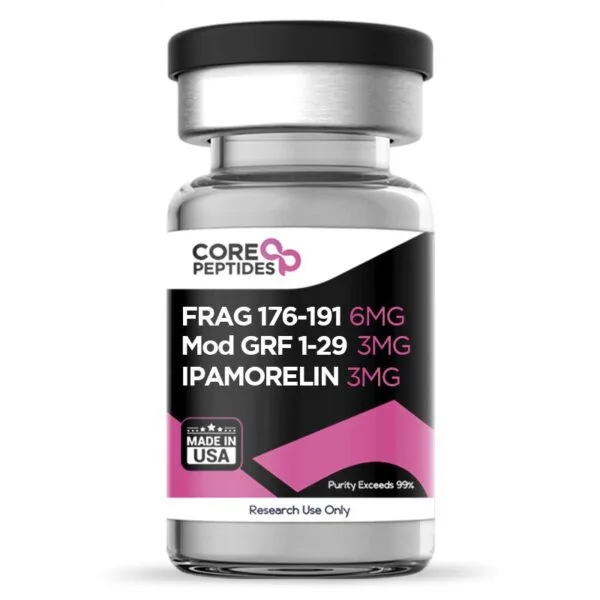
Fragment 176-191 (HGH Fragment)
Fragment 176-191 is a stabilized fragment of the growth hormone molecule consisting of amino acids 176-191 at the C-terminal region. This research peptide has been extensively studied for its ability to promote fat loss while avoiding the potential side effects associated with full-length human growth hormone.
Chemical Makeup
Fragment 176-191 contains 16 amino acids of the C-terminus of human growth hormone. This specific sequence is responsible for GH’s lipolytic (fat-burning) effects but does not impact blood sugar, IGF-1 levels, or cell proliferation like the full GH molecule.
Research and Clinical Studies
Fragment 176-191 and Fat Reduction
Research demonstrates that Fragment 176-191 specifically targets adipose (fat) tissue, promoting the breakdown of stored triglycerides. In studies conducted on laboratory animals, subjects treated with Fragment 176-191 showed a 50% reduction in weight gain compared to control groups when fed a high-fat diet. The peptide appears to work by stimulating lipolysis and inhibiting lipogenesis, effectively forcing the body to burn existing fat stores.
Clinical observations suggest that Fragment 176-191 may be particularly effective at reducing abdominal fat, with some studies indicating up to a 30% reduction in visceral adipose tissue over a 12-week period. The peptide demonstrates these effects without causing insulin resistance or elevating blood glucose levels.
Fragment 176-191 and Metabolism
Studies indicate that Fragment 176-191 may increase metabolic rate and energy expenditure. Research shows the peptide can enhance the body’s ability to utilize fat as an energy source during both rest and physical activity. This metabolic enhancement occurs without the negative cardiovascular effects or elevated cortisol levels sometimes associated with other weight loss compounds.
Fragment 176-191 and Muscle Preservation
Unlike many weight loss compounds, Fragment 176-191 appears to preserve or even enhance lean muscle mass during caloric restriction. Research suggests this is due to the peptide’s selective action on fat tissue while leaving muscle and bone tissue unaffected. This makes it valuable for body recomposition and athletic performance research.
Fragment 176-191 is available for research and laboratory purposes only. Please review our Terms and Conditions before placing an order.
References:
1. Heffernan MA, et al. Systems for therapeutic use of growth hormone and related disorders. Patent US6846799B2. 2005.
2. Heffernan M, et al. The effects of human GH and its lipolytic fragment on lipid metabolism following chronic treatment in obese mice. Endocrinology. 2001;142(12):5182-5189.
Reviews
There are no reviews yet.